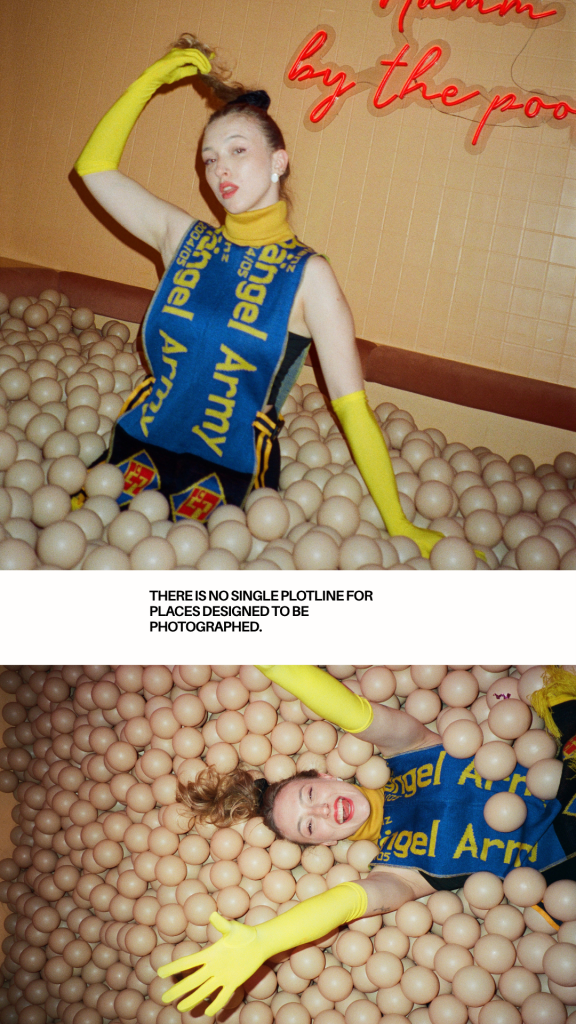
Nie ma jednej fabuły o miejscach zaprojektowanych pod zdjęcia
Bo one same nią nie są.. Są architekturą pragnienia, ale też architekturą lęku. Są dowodem na upadek doświadczenia, ale też demokratyzacją scenografii. Są głupie, jasne. Bardzo głupie. Ale głupota jest jednym z najpewniejszych sposobów, w jaki epoka mówi prawdę o sobie.
Kiedyś myślałam, że miejsca zaprojektowane pod zdjęcia są dowodem na to, że świat stał się płytki. Teraz myślę, że to zbyt płytka diagnoza. Świat nie stał się płytki. Świat zawsze był niemożliwie głęboki, tylko ludzie są zmęczeni nurkowaniem. Czasem potrzebują powierzchni, która ich utrzyma. Czasem potrzebują różowej ściany, żeby nie smutać się w szarej kuchni
KULKI
W tym miejscu Baudrillard prawdopodobnie zamówiłby coś bezalkoholowego i powiedział, że symulakrum już dawno zjadło deser. Ale to byłoby zbyt łatwe. Zbyt męskie w tym starym stylu: wejść do różowego pokoju i natychmiast ogłosić jego pustkę.
Aaaale ten pokój nie jest pusty.
On jest prze-Państwa, przepełniony instrukcjami.
i Właśnie dlatego jest ciekawy.
Najgorsza krytyka tandety polega na tym, że traktuje tandetę jak głupszą od krytyka. Tymczasem tandeta jest często inteligencją rzekomo
“bez dyplomu.” Wie, że ludzie potrzebują błysku. Wie, że samotność lepiej wygląda przy kolorowym tle. Wie, że pragnienie zdjęcia jest też pragnieniem dowodu: byłam, miałam ciało, coś się wydarzyło, proszę nie wycinać mnie z archiwum świata.
FABUŁA PIERWSZA
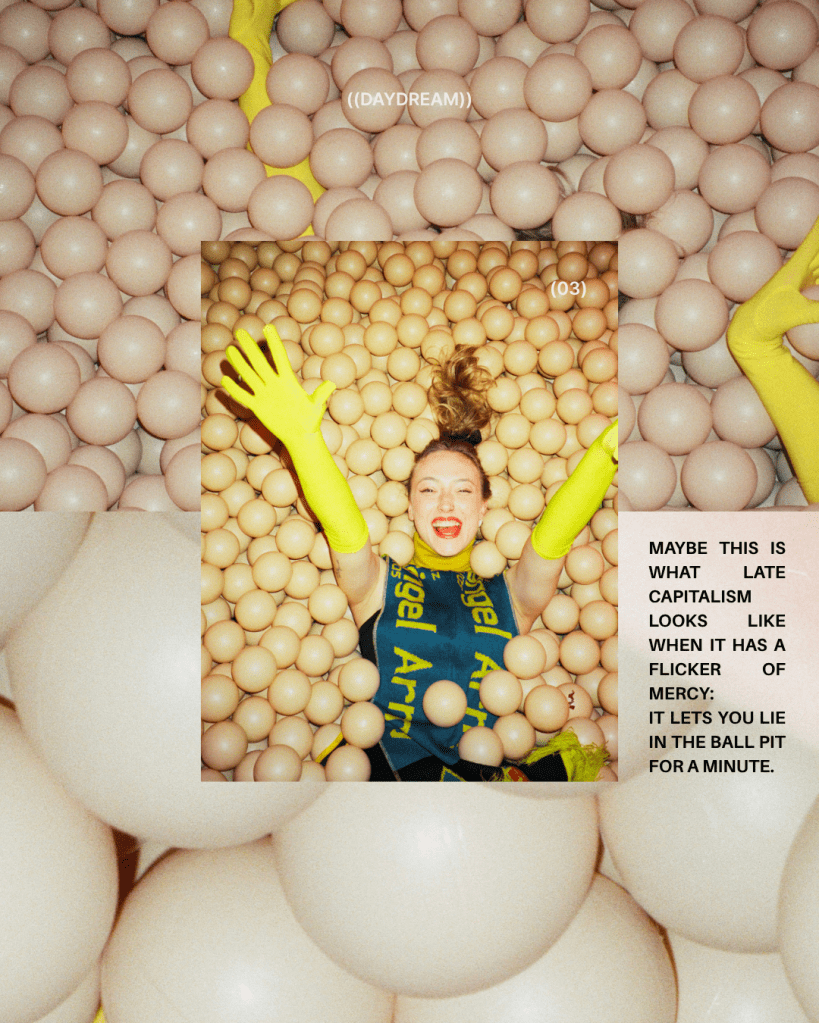
ball pit jako metafizyka miękkiego upadku. Jak ja pamiętam kulki były po to, żeby dziecko mogło rzucić się bez konsekwencji. Teraz dorosła osoba siada w nich jak w morzu tanich atomów i odkrywa, że dorosłość polega na tym, że nadal chcesz w nie wskoczyć tylko nie masz już miejsca, które oficjalnie ci na to pozwala. Bubble Toast oddaje ci prawo do kontrolowanej infantylizacji. Kapitalizm najpierw zabiera dzieciństwo, potem sprzedaje je w godzinnych slotach.
FABUŁA DRUGA
Dziewczyna wpada do basenu z kulkami i przez trzy sekundy naprawdę jest szczęśliwa. Algorytm próbuje to natychmiast zakwalifikować: lifestyle, fashion, fun, girls night, soft launch, local attraction. Co potem następuje
Szczęście odmawia tagowania.
Przez trzy sekundy nie należy do nikogo.
Potem wraca do świata jako zdjęcie.
To jest chyba jedna z ważniejszych rzeczy: nie wszystko, co odbywa się wewnątrz fałszu, jest fałszywe. Czasem prawdziwa ulga przychodzi w sztucznym basenie.
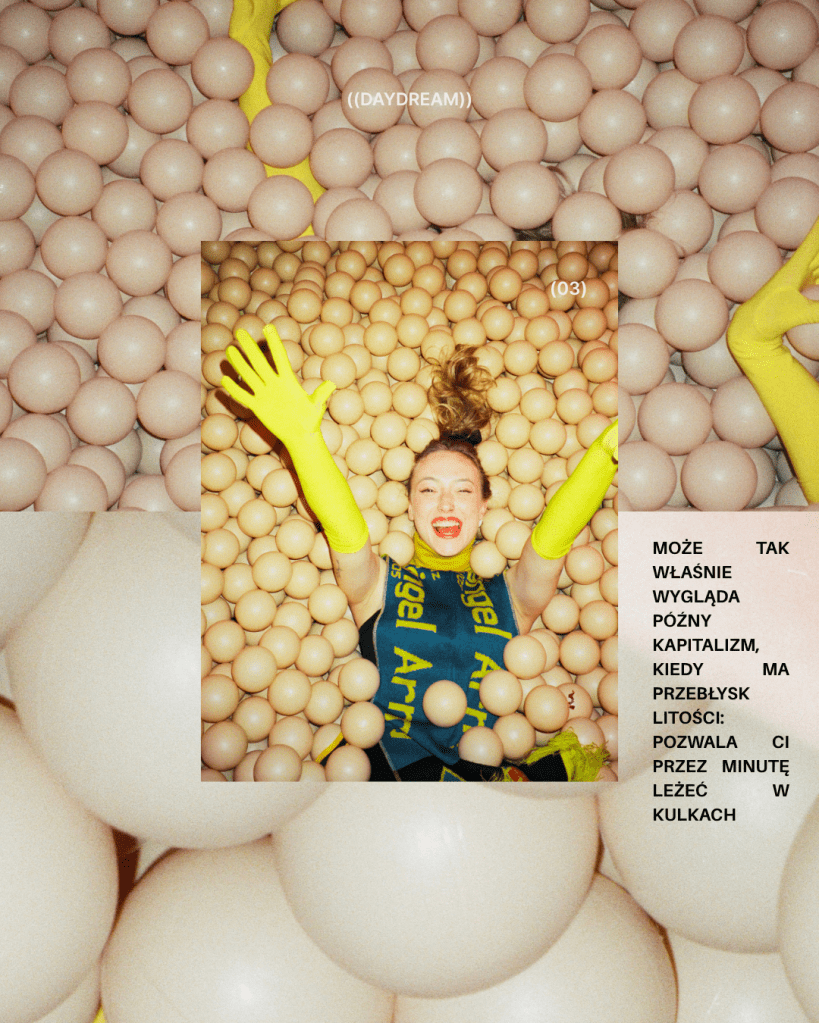
Nie za darmo, wiadomo. Nie przesadzajmy z utopią.
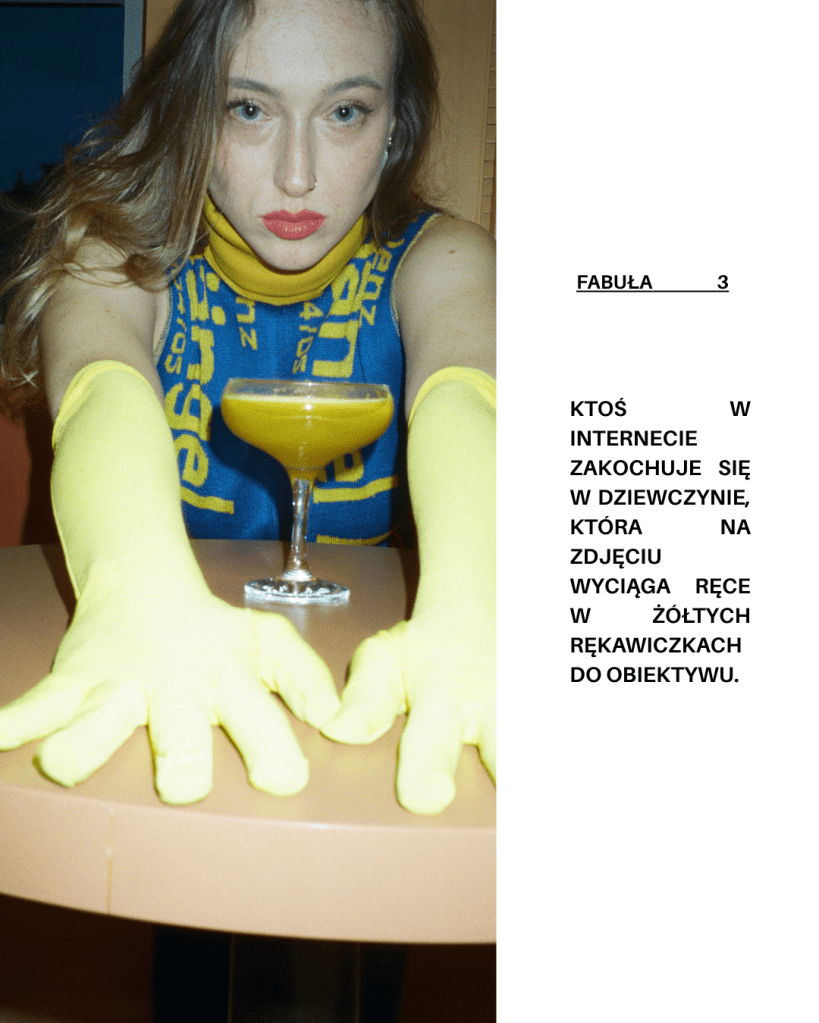
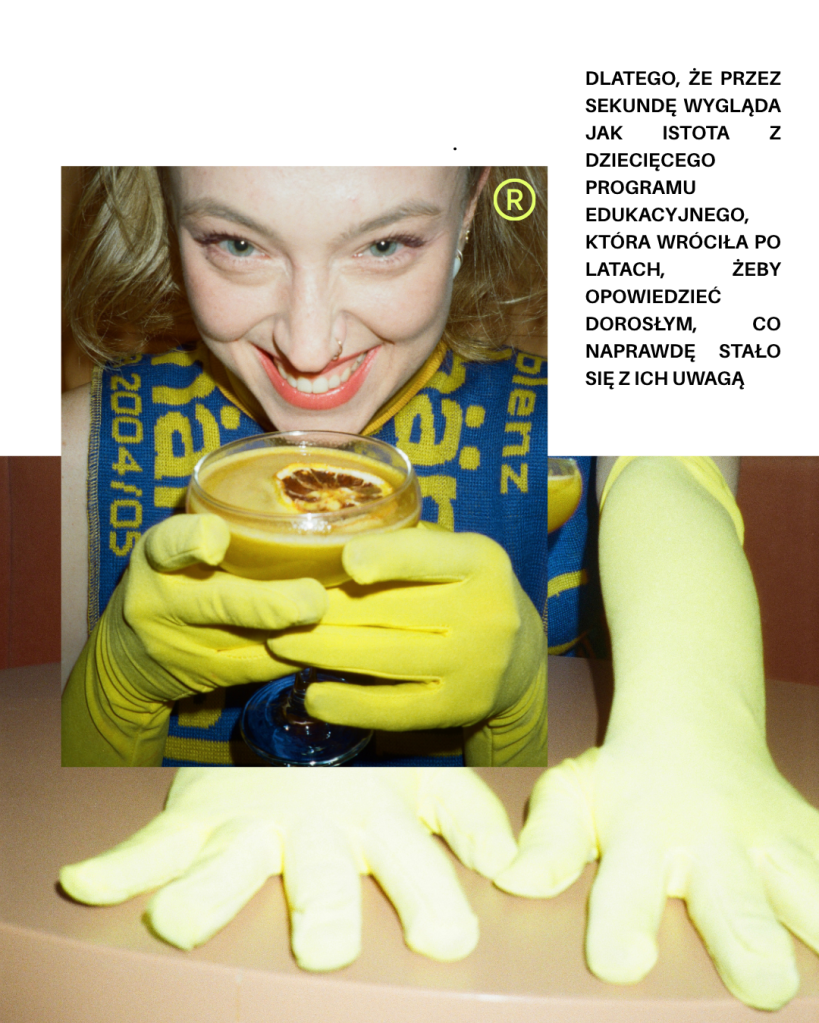
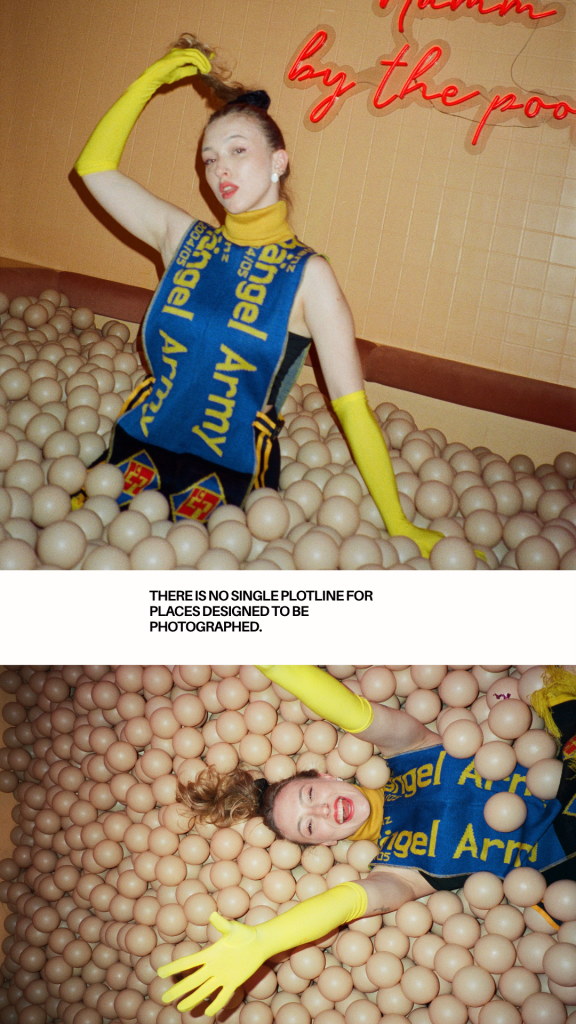
Rękawiczki są genialne, bo natychmiast odklejają ciało od naturalności. Dłoń przestaje być dłonią, staje się narzędziem sceny, żółtym kursorem, znakiem wskazującym: patrz tutaj, tu jest gest, tu jest sztuczność, tu ciało próbuje dotknąć świata przez warstwę materiału, bo bezpośredniość jest przeceniona.
FABUŁA 4
„celebrate women by the pool”
brzmi jak hasło z piekła wellnessu, ale przez swoją absurdalność staje się prawie poezją.
Celebruj kobiety przy basenie.
Celebruj kobiety w kulkach.
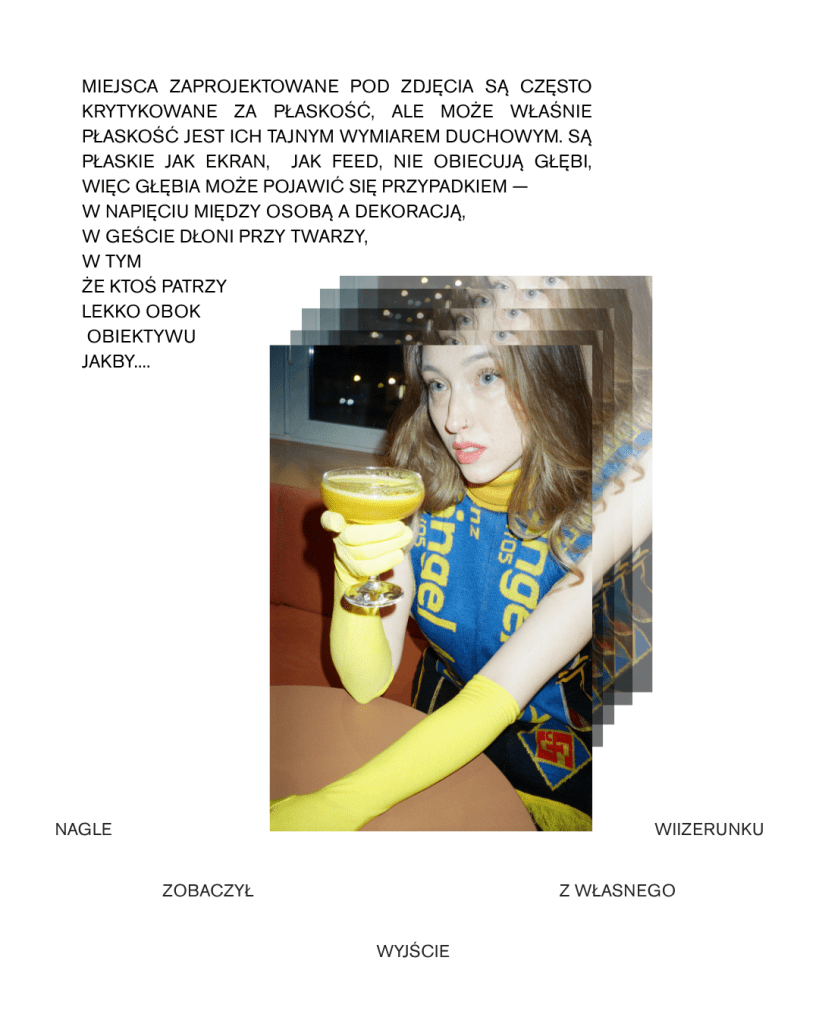
Celebruj kobiety w żółtych rękawiczkach,
w szalikach przerobionych na zbroje,
w miejscach, które ktoś wymyślił jako tło dla komercyjnej radości.
Celebruj je, bo i tak muszą wykonać
większość pracy
bycia widzialnymi.
W klasycznej krytyce można by powiedzieć, że takie miejsca produkują podmiot neoliberalny, który sam siebie fotografuje, opakowuje, sprzedaje i archiwizuje. To prawda, ale to prawda nudna, a nudna prawda jest czasem bardziej niebezpieczna niż kłamstwo.
PART 2
Dziewczyna robi zdjęcie w miejscu, które udaje, że jest miejscem. Nie wie jeszcze, że to miejsce robi zdjęcie jej. Nie przez aparat, oczywiście. Przez format zachowania. Przez ułożenie biodra, automatyczne uniesienie brody.
W SUMIE TO __ Nie lubię łatwego pogardzania takimi przestrzeniami, bo pogarda wobec rzeczy zaprojektowanych pod zdjęcie bardzo często jest tylko starszą, bardziej elegancką formą tej samej próżności.
Człowiek, który mówi <<„to jest takie instagramowe”>>
A zwykle sam marzy o miejscu, które potwierdziłoby jego własną lepszą wersję: surową księgarnię z drewnianą podłogą, hotel w stylu modernistycznym, tani bar z zimnym światłem__COKOLWIEK
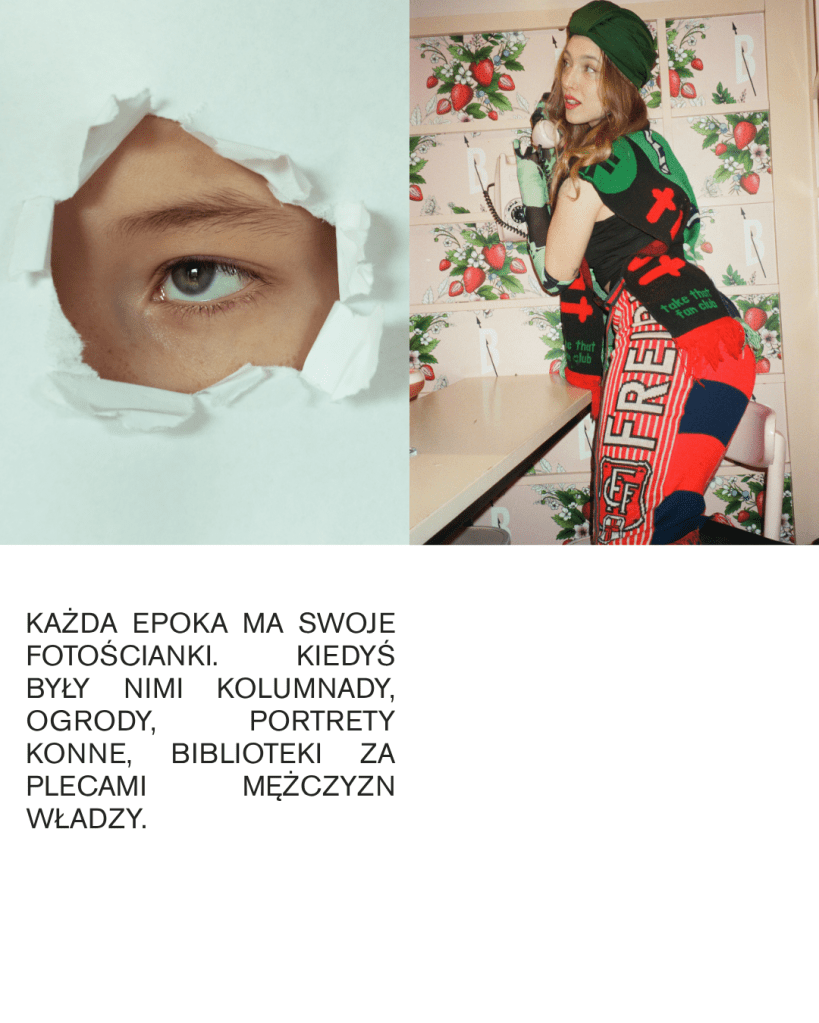
Różnica polega na tym, że dzisiejsza fotościanka przestała się wstydzić swojej funkcji. Jest naga w swojej dekoracyjności. Jest Gombrowiczowską gębą, która wie, że jest gębą, i dlatego zaczyna być prawie wzruszająca, tzn ja sie szybko wzruszam takimi rzeczami.
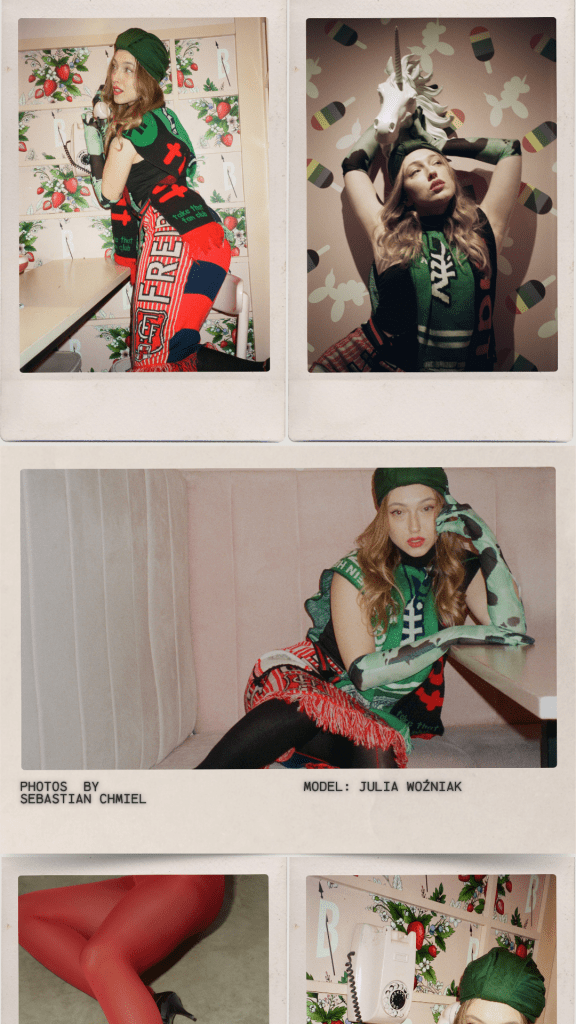
Bubble Toast jako miejsce próbuje dać gotowy scenariusz: bądź cukrowa, bądź zabawna, bądź dziewczęca, bądź dobrze skadrowana. Trashka mówi
-No ok, ale ale przyniosłam ze sobą stadion, żółte rękawiczki, kapelusz czarownicy, Zobaczymy, kto kogo użyje
Na zdjęciach z Bubble Toast moje ubrania robią coś bardzo ważnego: nie podporządkowują się miejscu, tylko wchodzą z nim w konflikt. To nie jest klasyczna sesja, gdzie stylizacja ma „pasować” do scenografii, a modelka ma roztopić się w marce miejsca jak kostka cukru w karmelowym latte. Tu ubranie działa jak pasożyt, herb, transparent, pancerz i żart jednocześnie.
To jest różnica między stylizacją a performatywnym ubraniem.
Stylizacja mówi: patrz, jak dobrze wyglądam. Performatywne ubranie mówi: patrz, co robię z systemem znaków, zanim on zrobi coś ze mną.
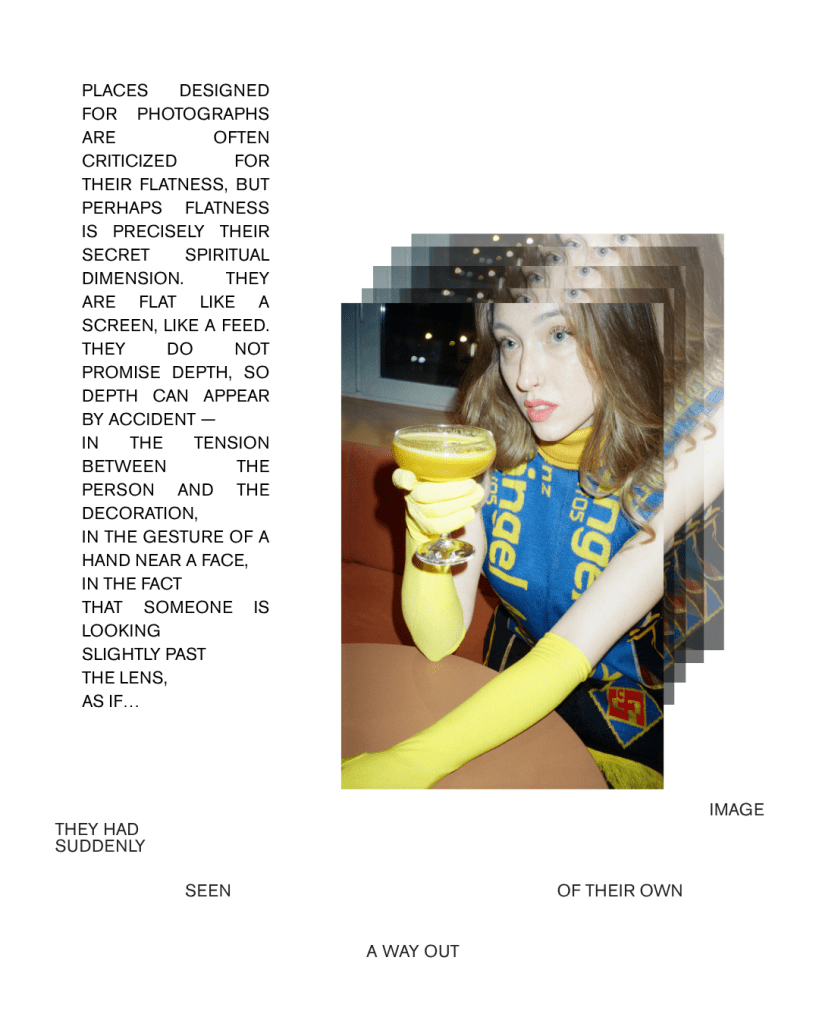
Wolę myśleć, że nawet w najbardziej zaprojektowanym miejscu pozostaje margines sabotażu. Można wejść do różowego pokoju i nie być produktem. Można założyć piłkarski szalik jak świętą szatę. Można potraktować kulę dyskotekową jak planetę. Można położyć dłonie w rękawiczkach przy twarzy i przez sekundę wyglądać jak własna patronka. Można zmienić fotościankę w ołtarz dla rzeczy z odzysku.
PART 3
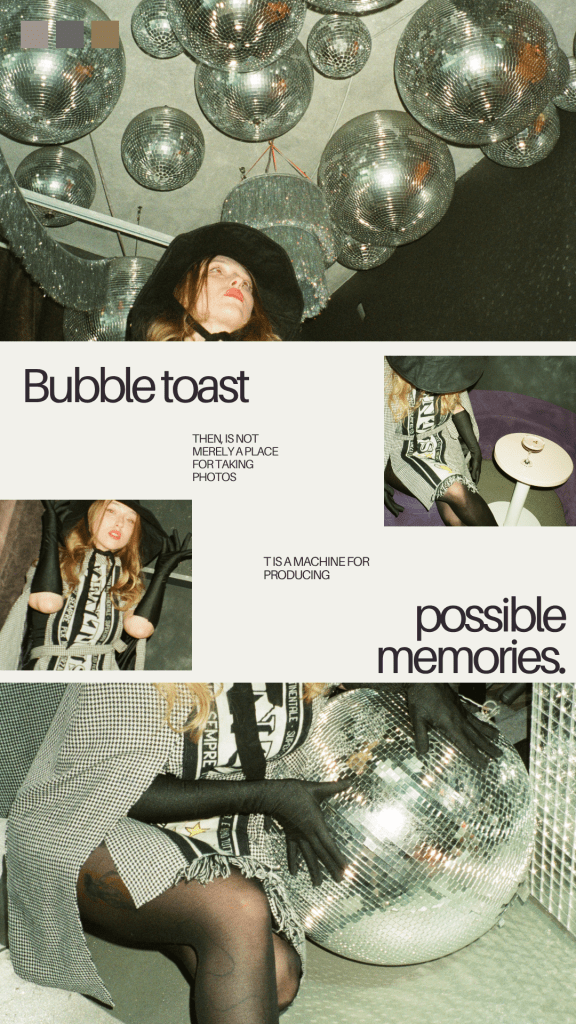
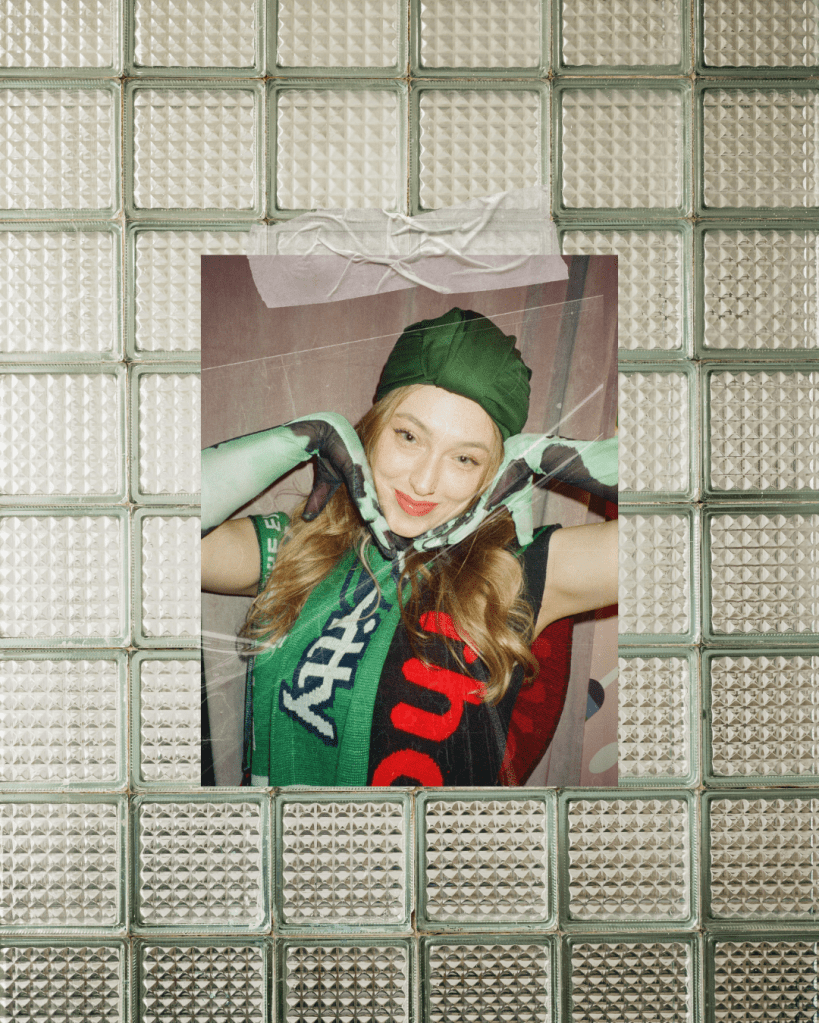
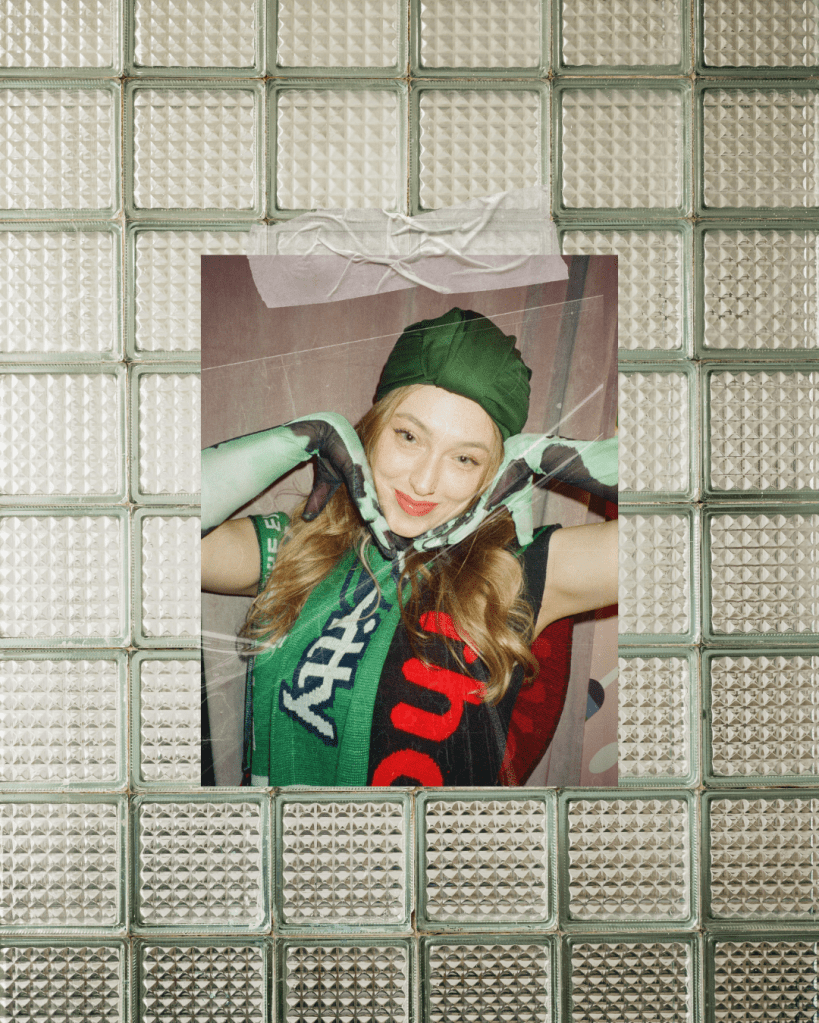
Fascynuje mnie szczególna relacja między błyskiem flesza a lustrzaną mozaiką. Flesz rozbija się o ścianę, ściana rozbija ciało, ciało rozbija ubranie, ubranie rozbija znaczenie. Nic nie zostaje całe. I właśnie dlatego zaczyna działać. Całość jest podejrzana. Fragment jest uczciwszy.
Współczesna baśń tysiąca i jednego archiwum internetowego. Nie ma już jednej Szeherezady, która opowiada królowi, żeby przeżyć. Jest sto osób, sto miejsc, sto stylizacji, sto folderów, sto martwych platform, sto nieopisanych zdjęć i sto mikrohistorii, które opowiadają się nawzajem, żeby nie zniknąć. Każda fotografia mówi: jeszcze jedna noc. Jeszcze jeden kadr. Jeszcze jedna wersja mnie, zanim algorytm zapomni, zanim ciało się zmieni, zanim lokal zrobi remont, zanim neon się przepali, zanim szalik trafi do kolejnej osoby.
Bubble Toast nie jest więc tylko miejscem do zdjęć. Jest maszyną do produkcji możliwych wspomnień. Nie tyle wspominasz, że tam byłaś, ile produkujesz dowód, że jakaś wersja ciebie mogła tam istnieć. To subtelna różnica. Wspomnienie należy do czasu. Zdjęcie należy do obiegu.
A obieg, jak wiadomo, jest dzisiejszą formą życia po życiu.
FABUŁA 5
Nastolatek odkrywa, że jego mama ma prywatne konto, na którym fotografuje się w takich samych miejscach jak on, tylko z innymi podpisami. On pisze „lost in the sauce”, ona pisze „chwila dla siebie”. Oboje mają na myśli to samo: jestem tutaj, proszę, niech ktoś to zobaczy.
FABUŁA 6
Po zamknięciu Bubble Toast wszystkie rekwizyty budzą się na chwilę. Różowe kulki w basenie szepczą między sobą o ciężarze dorosłych ciał. Kwiaty na ścianie narzekają, że nikt nigdy ich nie podlewa, choć codziennie występują w roli natury. A gdzieś w telefonie zdjęcia zaczynają własną trasę.
ENG
There is no single story about places designed for photographs,
because they themselves are not one.
They are an architecture of desire,
but also an architecture of fear.
They are evidence of the collapse of experience,
but also of the democratization of scenography.
They are stupid, of course.
Very stupid.
But stupidity is one of the most reliable ways
an era tells the truth about itself.
I used to think that places designed for photographs were proof that the world had become shallow. Now I think that diagnosis is itself too shallow.
The world has not become shallow.The world has always been impossibly deep; people are just tired of diving. Sometimes they need a surface that can hold them.Sometimes they need a pink wall, so they don’t have to be sad in a grey kitchen.
BALL PIT LOL — At this point, Baudrillard would probably order something non-alcoholic and say that the simulacrum had eaten dessert long ago. But that would be too easy. Too masculine in that old style: to enter a pink room and immediately declare its emptiness..
BUT BUT the room is not empty. It is, ladies and gentlemen, overfilled — absolutely overfilled — with instructions. That is precisely why it is interesting.
The worst critique of kitsch is the one that treats kitsch as stupider than the critic. Meanwhile, kitsch is often a kind of intelligence, only “worse” because supposedly without a degree. But it knows that people need sparkle. It knows that loneliness looks better against a colourful background. It knows that the desire for a photograph is also the desire for proof: I was here, I had a body, something happened, please do not cut me out of the archive of the world.
PLOTLINE 1
Ball pit as the metaphysics of a soft fall. Once, ball pits existed so a child could throw themselves down without consequences. Now an adult sits in one like in a sea of cheap atoms and discovers that adulthood means you still want to fall, only there is no longer any place that officially allows you to. Bubble Toast gives you back the right to controlled infantilization. Capitalism first takes childhood away, then sells it back in hourly slots.
PLOTLINE 2
A girl falls into a ball pit and for three seconds she is genuinely happy. The algorithm immediately tries to classify it: lifestyle, fashion, fun, girls’ night, soft launch, local attraction. But happiness refuses to be tagged. For three seconds, it belongs to no one. Then it returns to the world as a photograph.
This may be one of the more important things: not everything that happens inside falseness is false. Sometimes real relief arrives in an artificial pool.
Not for free, obviously. Let’s not overdo the utopia.
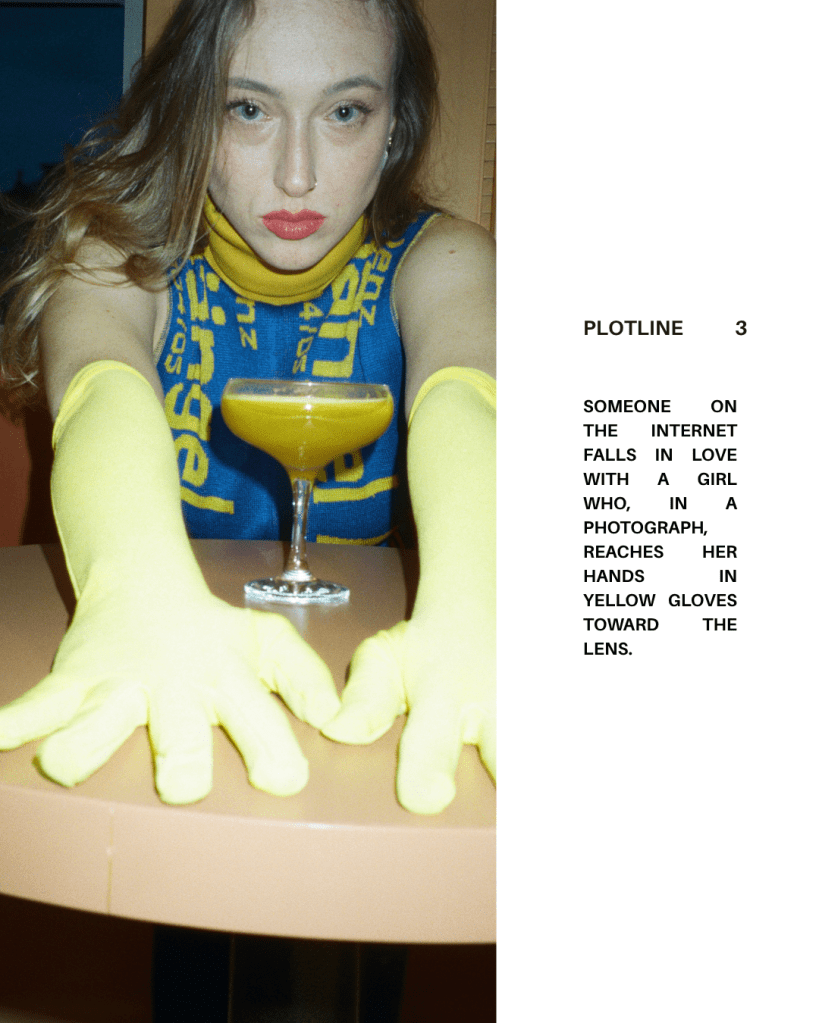
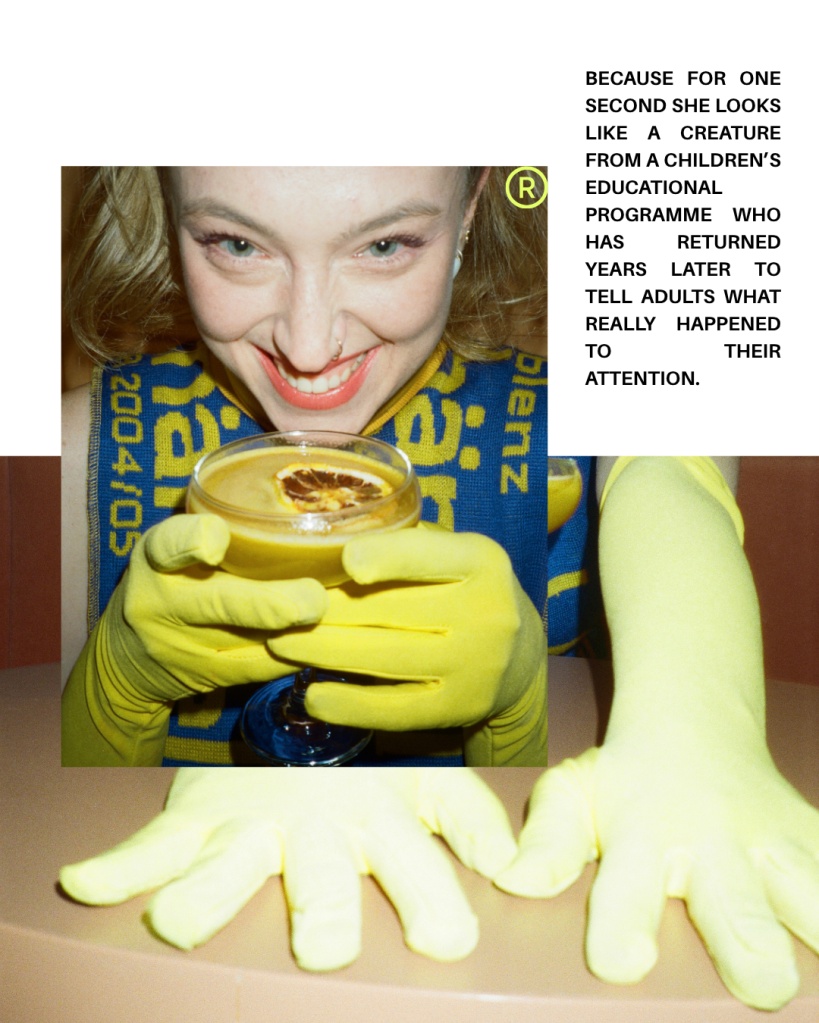
Rękawiczki są genialne, bo natychmiast odklejają ciało od naturalności. Dłoń przestaje być dłonią, staje się narzędziem sceny, żółtym kursorem, znakiem wskazującym: patrz tutaj, tu jest gest, tu jest sztuczność, tu ciało próbuje dotknąć świata przez warstwę materiału, bo bezpośredniość jest przeceniona.
PLOTLINE 4
“Celebrate women by the pool ” _ sounds like a slogan from wellness hell, but through its own absurdity it becomes almost poetry. Celebrate women by the pool. Celebrate women in the ball pit. Celebrate women in yellow gloves, in scarves remade into armour, in places someone invented as a backdrop for commercial joy. Celebrate them, because they still have to do most of the work of being visible.
In classical criticism, one could say that such places produce the neoliberal subject: a subject who photographs herself, packages herself, sells herself, and archives herself.
That is true. But it is a boring truth, and a boring truth is sometimes more dangerous than a lie.
A girl takes a photo in a place pretending to be a place. She doesn’t yet know that the place is taking a photo of her. Not through a camera, of course. Through the format of behaviour. Through the positioning of the hip, the automatic lift of the chin.
Actually, I don’t like easy contempt for spaces like this, because contempt for things designed for photographs is very often just an older, more elegant form of the same vanity. The person who says, “this is so Instagram,” usually also dreams of a place that would confirm their own better version of themselves: a severe bookshop with wooden floors, a modernist hotel, a cheap bar with cold light — anything.
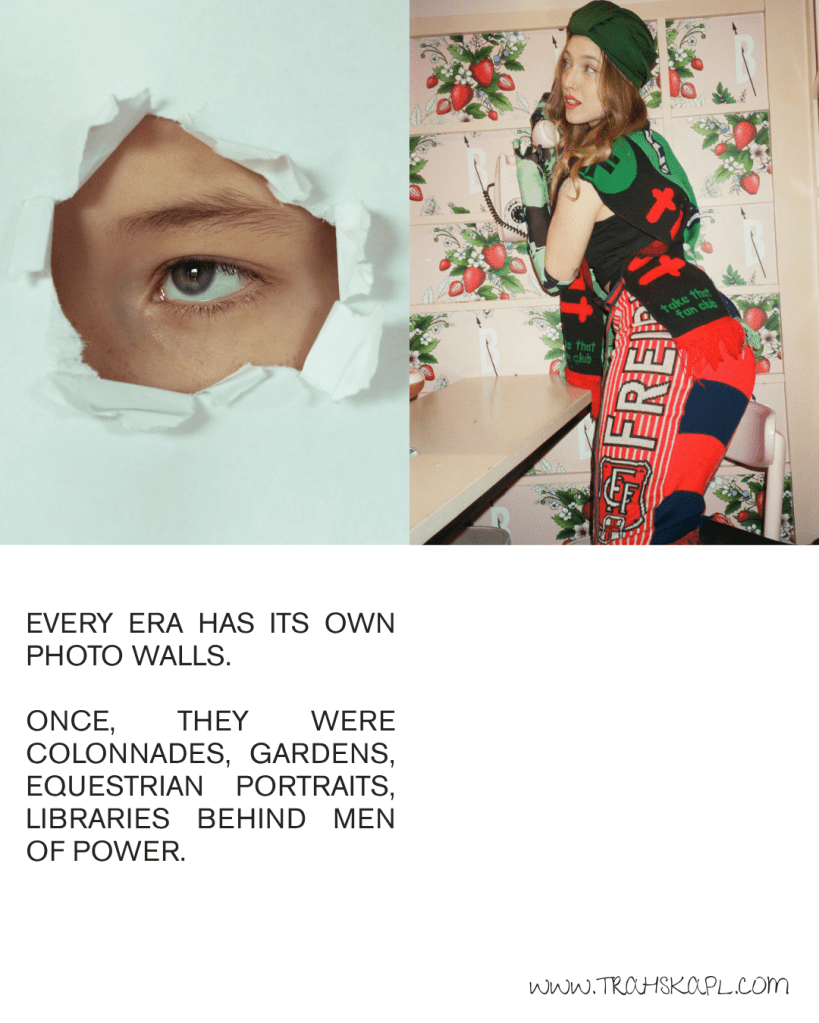
The difference is that today’s photo wall has stopped being ashamed of its function. It is naked in its decorativeness. It is a Gombrowiczian mask that knows it is a mask, and for that reason becomes almost moving — I mean, I get moved by things like that very easily.
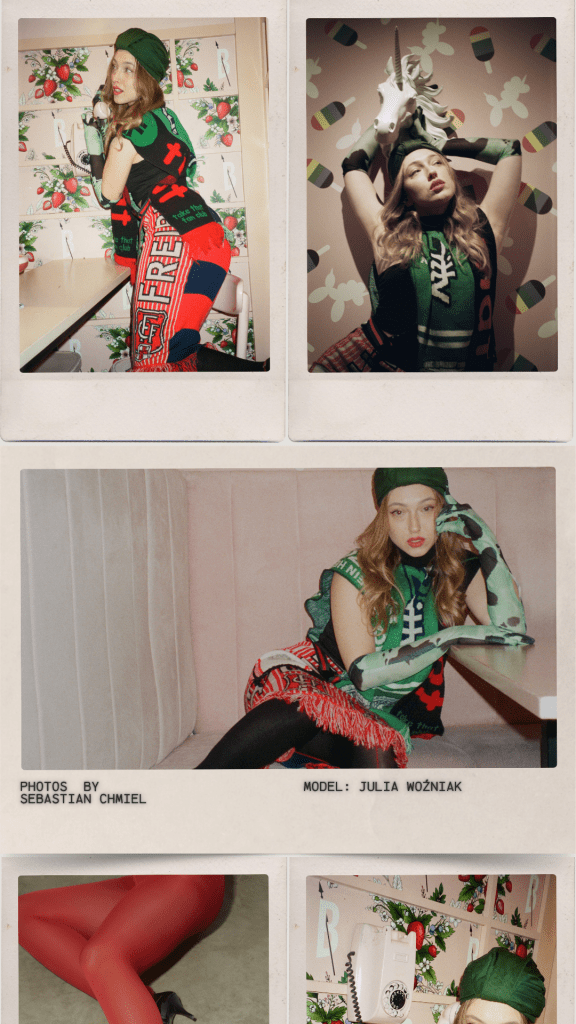
In the Bubble Toast photos, my clothes do something very important: they do not submit to the place, but enter into conflict with it. This is not a classic shoot where the styling is supposed to “match” the set, and the model is meant to dissolve into the venue’s brand like a sugar cube in a caramel latte. Here, the garment acts as a parasite, a crest, a banner, armour and a joke all at once.
Bubble Toast, as a place, tries to hand you a ready-made script: be sugary, be fun, be girlish, be well-framed. Trashka says: okay, sure, but I brought a stadium, yellow gloves, and a witch’s hat. Let’s see who uses whom.
This is the difference between styling and performative clothing. Styling says: look how good I look. Performative clothing says: look what I do to the system of signs before it does something to me.
I prefer to think that even in the most designed place, there remains a margin for sabotage.
PART 3
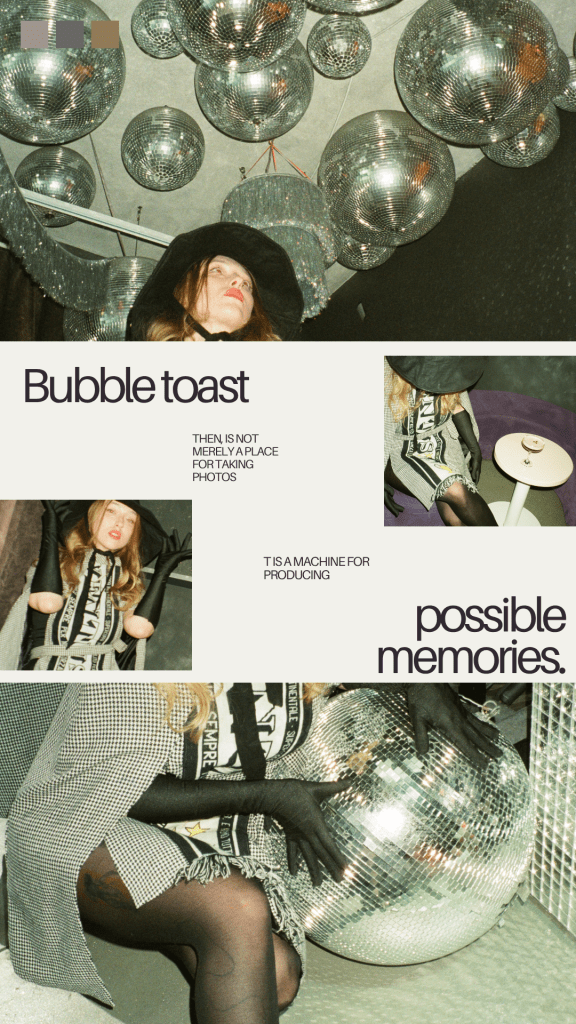
I am fascinated by the peculiar relationship between the flash and the mirrored mosaic. The flash breaks against the wall, the wall breaks the body, the body breaks the garment, the garment breaks meaning. Nothing remains whole. And that is precisely why it starts to work. Wholeness is suspicious. The fragment is more honest.
A contemporary fairy tale of a thousand and one internet archives. There is no longer one Scheherazade telling stories to the king in order to survive. There are a hundred people, a hundred places, a hundred stylings, a hundred folders, a hundred dead platforms, a hundred undescribed photographs and a hundred micro-histories telling one another so they do not disappear. Every photograph says: one more night. One more frame. One more version of me before the algorithm forgets, before the body changes, before the venue gets renovated, before the neon burns out, before the scarf passes to someone else.
Bubble Toast is therefore not just a place for taking photographs. It is a machine for producing possible memories. It is not so much that you remember having been there, as that you produce evidence that some version of you could have existed there. It is a subtle difference. A memory belongs to time. A photograph belongs to circulation. And circulation, as we know, is today’s form of life after life.
PLOTLINE 5
A teenager discovers that his mother has a private account where she photographs herself in the same kinds of places as he does, only with different captions. He writes “lost in the sauce,” she writes “a moment for myself.” They both mean the same thing: I am here, please, let someone see it.
PLOTLINE 6
After Bubble Toast closes, all the props wake up for a moment. The pink balls in the ball pit whisper among themselves about the weight of adult bodies. The flowers on the wall complain that no one ever waters them, even though every day they perform the role of nature. And somewhere inside a phone, the photographs begin their own journey.
 trashka_pl
Leave a comment