
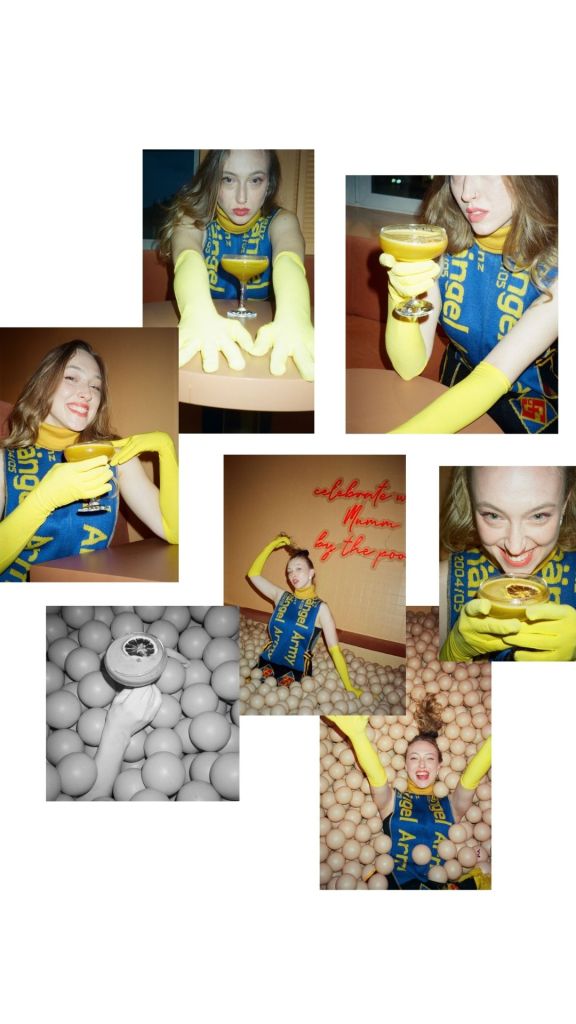
Możesz sobie wejść do pokoju pełnego plastikowych kwiatów z całą swoją krytyczną inteligencją,
z pogardą wobec kapitalizmu doświadczeń i z bardzo dopracowaną niechęcią do ludzi robiących duck face. A potem zobaczysz przyjaciółkę, która przez trzy miesiące ledwo wychodziła z domu, stojącą pod obrzydliwym neonem w kształcie skrzydeł, i pomyślisz: dobrze. Niech ma te skrzydła. Niech przez chwilę wygląda jak wersja siebie, której świat nie zdążył zgnieść.
I cała teoria robi się miękka.
Może właśnie dlatego meta-sieć dla stu fabuł musi zostać zbudowana nie przeciwko tym miejscom, ale przez nie. Nie jako satyra na Instagram, bo satyra na Instagram jest martwa od momentu, kiedy twoja ciotka zaczęła mówić „influencerzy”. Raczej jako atlas drobnych kompromitacji, w których ludzie próbują zamienić swoje życie w coś choć trochę bardziej znośnego wizualnie. Nie wszystkie fabuły nadają się do publikacji.
Siódma: influencerka przychodzi do instalacji w galerii, która miała krytykować influencerki. Robi sobie przed nią zdjęcie. Zdjęcie ma świetne zasięgi. Artysta jest wściekły, potem wdzięczny, potem wściekły, że jest wdzięczny. Pisze tekst o pułapce widzialności, który czytają tylko jego znajomi, ale screenshot z opisem pracy trafia na stories jakiejś modelki i przez sześć godzin wszyscy czują, że sztuka jeszcze działa.
Piąta: grupa dziewczyn jedzie do restauracji na obrzeżach miasta, bo jest tam ogromne serce z balonów. Jedna z nich płacze w toalecie, bo jej chłopak polubił zdjęcie dziewczyny z mniejszym nosem i większą metafizyką. Wychodzi z toalety, poprawia błyszczyk i robi najlepsze zdjęcie całego roku. Nie ma w tym sprzeczności. Albo jest tylko sprzeczność. W każdym razie to właśnie nazywamy życiem społecznym.
Szósta: mężczyzna po rozwodzie zaczyna chodzić po miejscach zaprojektowanych pod zdjęcia i fotografuje wyłącznie ich narożniki, listwy przypodłogowe, poplamione menu, krzywo przyklejone tapety, miejsca, gdzie scenografia się kończy. Po roku wydaje album pod tytułem *Tam, gdzie kończy się font*. Krytycy nazywają go „ważnym głosem o zmęczeniu obrazem”. On wie, że chodziło tylko o to, że nie chciał wracać do domu.
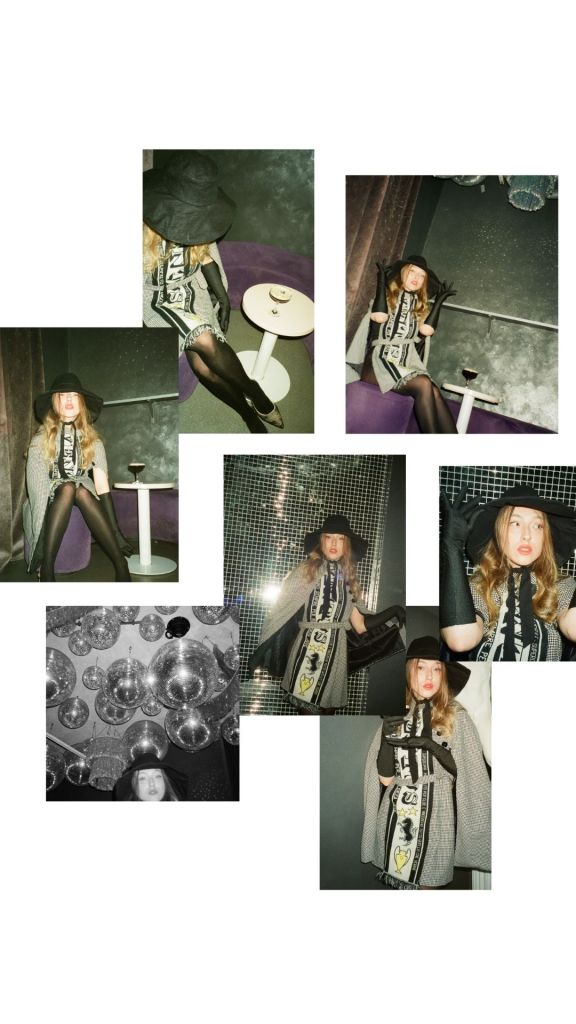
Jedenasta fabuła: osoba, która nigdy nie czuła się piękna, znajduje miejsce, gdzie wszystko jest tak przesadzone, że jej własna sztuczność przestaje być problemem. Na tle różowej ściany, plastikowej palmy i lustra w kształcie muszli nagle nie musi wyglądać naturalnie. Naturalność była zawsze terrorem ludzi pewnych siebie. Ona wybiera scenografię. Scenografia wybiera ją. Przez dwie minuty są sobie wierne.
Dwudziesta siódma: ktoś kradnie neon „good vibes only” i wiesza go nad łóżkiem chorego ojca.
Dwunasta: chłopak robi zdjęcie dziewczynie i przez przypadek kadruje ją lepiej, niż kiedykolwiek ją rozumiał. Ona patrzy na zdjęcie i myśli: czyli jednak umiesz mnie zobaczyć. To oczywiście nieprawda, raczej prawda tylko optyczna. Ale związki często trwają na podstawie jeszcze słabszych dowodów.
Trzynasta: miejsce z neonem „you are exactly where you need to be” zostaje wynajęte na stypę. Nikt nie wie, czy zasłonić napis. Ostatecznie zostaje, bo ciotka mówi, że zmarły miał poczucie humoru. Zdjęcia wychodzą świetnie i absolutnie nikt ich nie publikuje.
Czternasta dziewczyna, która całe życie bała się bycia widzialną, zaczyna pracować jako hostessa w muzeum selfie. Codziennie patrzy, jak inni ustawiają ciała w pozycjach, które ona zna tylko z fantazji o byciu mniej sobą. Po miesiącu zaczyna ćwiczyć po zamknięciu. Po dwóch miesiącach robi sobie zdjęcie. Po trzech usuwa je. Po czterech rozumie, że usunięcie zdjęcia też jest formą autoportretu.
Piętnasta: para jedzie do hotelu zaprojektowanego pod zdjęcia, żeby uratować związek. Pokój ma wannę przy łóżku, zasłony jak w teledysku i lustro na suficie. Wszystko wygląda jak obietnica seksu, ale oni zasypiają o dwudziestej drugiej po obejrzeniu trzech odcinków serialu o morderstwach. Rano robią zdjęcie kawy. Podpis: needed this.
Dwudziesta siódma: ktoś kradnie neon „good vibes only” i wiesza go nad łóżkiem chorego ojca.
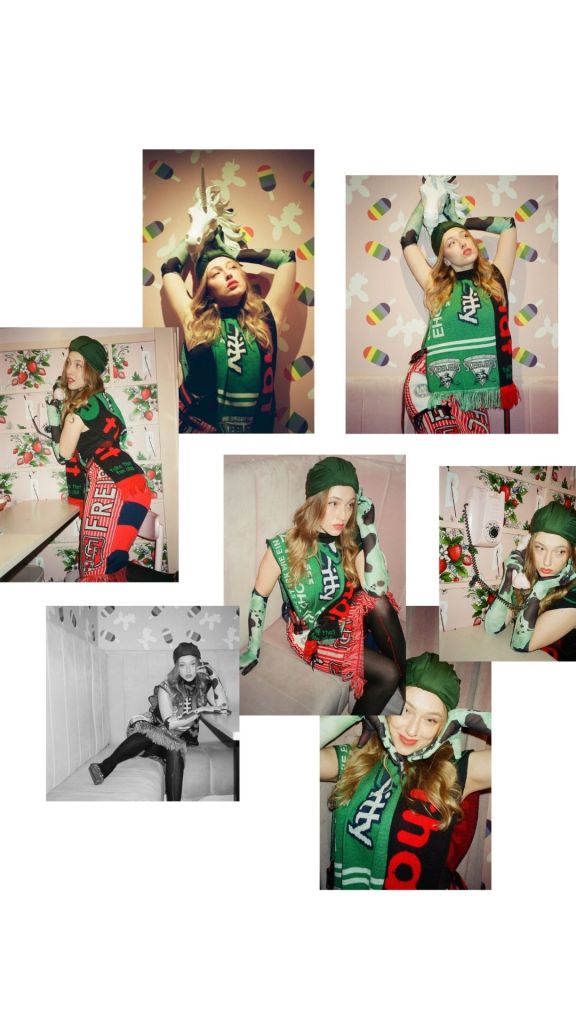
Dwudziesta dziewiąta: influencer z wypaleniem zaczyna fotografować tylko kosze na śmieci stojące obok pięknych ścian.
Trzydziesta: para rozstaje się, bo nie potrafi wybrać wspólnego zdjęcia z wakacji.
Od trzydziestej pierwszej do setnej fabuły dzieje się już właściwie to samo, tylko w innych dekoracjach:. Ktoś chce zostać zobaczony. Ktoś chce zniknąć w ładnym miejscu. Ktoś używa scenografii jak zbroi. Ktoś inny jak konfesjonału. Ktoś robi zdjęcie, żeby udowodnić, że żyje. Ktoś nie robi zdjęcia, żeby udowodnić, że jeszcze ma duszę. Obie osoby są śmieszne. Obie mają rację.
You can walk into a place created for Instagram photos
with critical intelligence,
with contempt for the capitalism of experiences and a very refined dislike for people doing duck face. And then you will see your friend, who barely left the house for three months, standing under an ugly neon sign shaped like wings, and you will think: good. Let her have those wings. Let her, for a moment, look like a version of herself the world hasn’t managed to crush yet.
And the whole theory goes soft.
Maybe that is exactly why the meta-network for a hundred stories has to be built not against these places, but through them. Not as a satire of Instagram, because satire of Instagram died the moment your aunt started saying “influencers.” Rather as an atlas of small humiliations in which people try to turn their lives into something at least a little more visually bearable. Not all stories are fit for publication.
The seventh: an influencer comes to an installation in a gallery that was supposed to critique influencers. She takes a picture in front of it. The picture gets great reach. The artist is furious, then grateful, then furious that he is grateful. He writes a text about the trap of visibility, read only by his friends, but a screenshot of the work’s description ends up on some model’s stories and for six hours everyone feels that art still works.
The fifth: a group of girls drive to a restaurant on the outskirts of town because there is a huge heart made of balloons there. One of them cries in the bathroom because her boyfriend liked a photo of a girl with a smaller nose and more metaphysics. She comes out of the bathroom, reapplies her lip gloss, and takes the best photo of the entire year. There is no contradiction in this. Or there is only contradiction. In any case, this is what we call social life.
The sixth: a man after a divorce starts visiting places designed for photographs and photographs only their corners, skirting boards, stained menus, crookedly pasted wallpaper, the places where the set design ends. After a year he publishes an album titled Where the Font Ends. Critics call him “an important voice on image fatigue.” He knows it was only about the fact that he did not want to go home.
The eleventh story: a person who has never felt beautiful finds a place where everything is so exaggerated that her own artificiality stops being a problem. Against a pink wall, a plastic palm tree, and a mirror shaped like a shell, she suddenly does not have to look natural. Naturalness was always the terror of confident people. She chooses the set design. The set design chooses her. For two minutes they are faithful to each other.
The twenty-seventh: someone steals a “good vibes only” neon sign and hangs it above his sick father’s bed.
The twelfth: a boy takes a picture of a girl and accidentally frames her better than he has ever understood her. She looks at the photo and thinks: so you can see me after all. This is, of course, not true. Or rather, true only optically. But relationships often last on the basis of even weaker evidence.
The thirteenth: a place with a neon sign saying “you are exactly where you need to be” gets rented for a wake. No one knows whether to cover the sign. In the end it stays, because an aunt says the deceased had a sense of humor. The photos come out beautifully and absolutely no one posts them.
The fourteenth: a girl who spent her whole life afraid of being visible starts working as a hostess in a selfie museum. Every day she watches others arrange their bodies into poses she knows only from fantasies about being less herself. After a month she starts practicing after closing. After two months she takes a picture of herself. After three, she deletes it. After four, she understands that deleting the photo is also a form of self-portrait.
The fifteenth: a couple goes to a hotel designed for photos in order to save their relationship. The room has a bathtub next to the bed, curtains like in a music video, and a mirror on the ceiling. Everything looks like a promise of sex, but they fall asleep at ten after watching three episodes of a murder show. In the morning they take a photo of coffee. Caption: needed this.
The twenty-seventh: someone steals a “good vibes only” neon sign and hangs it above his sick father’s bed.
The twenty-ninth: an influencer with burnout starts photographing only the trash cans standing next to beautiful walls.
The thirtieth: a couple breaks up because they cannot choose a shared photo from their vacation.
From the thirty-first to the hundredth story, essentially the same thing keeps happening, just in different decorations: someone wants to be seen. Someone wants to disappear inside a pretty place. Someone uses set design as armor. Someone else uses it as a confessional. Someone takes a photo to prove they are alive. Someone does not take a photo to prove they still have a soul. Both people are ridiculous. Both are right.


Leave a Reply